This guide is informational. Always verify how the rules apply to your specific case.
You are here: At home → What you get and what you must do
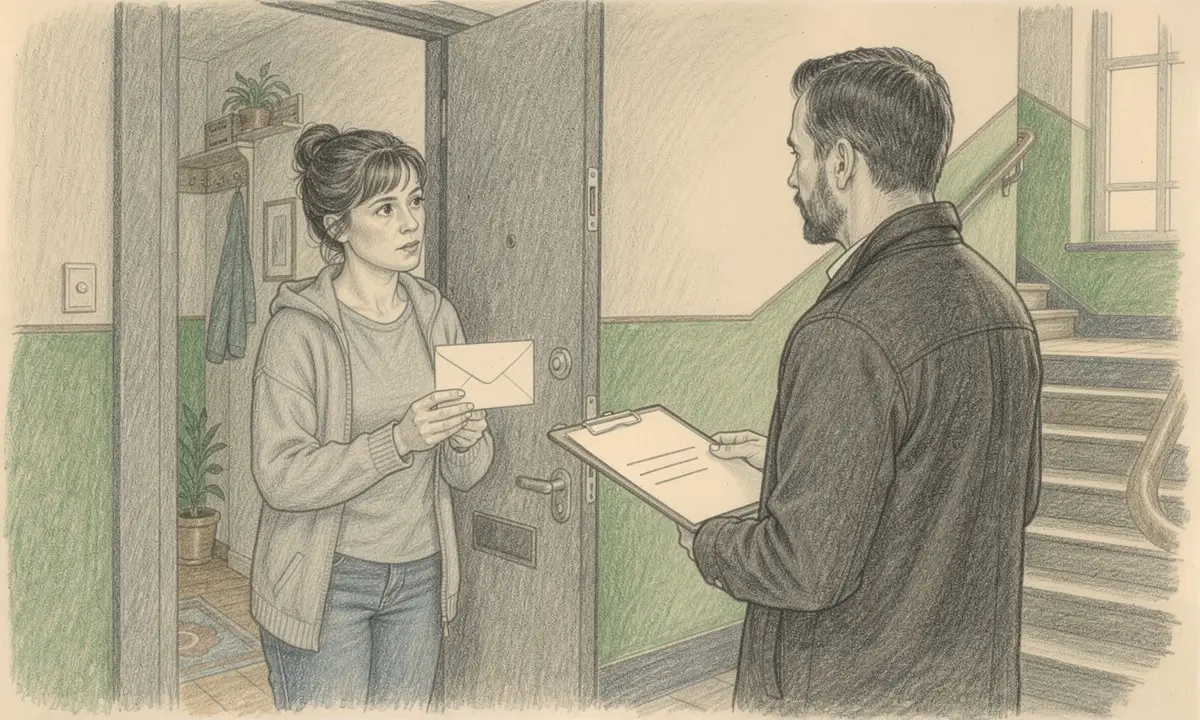
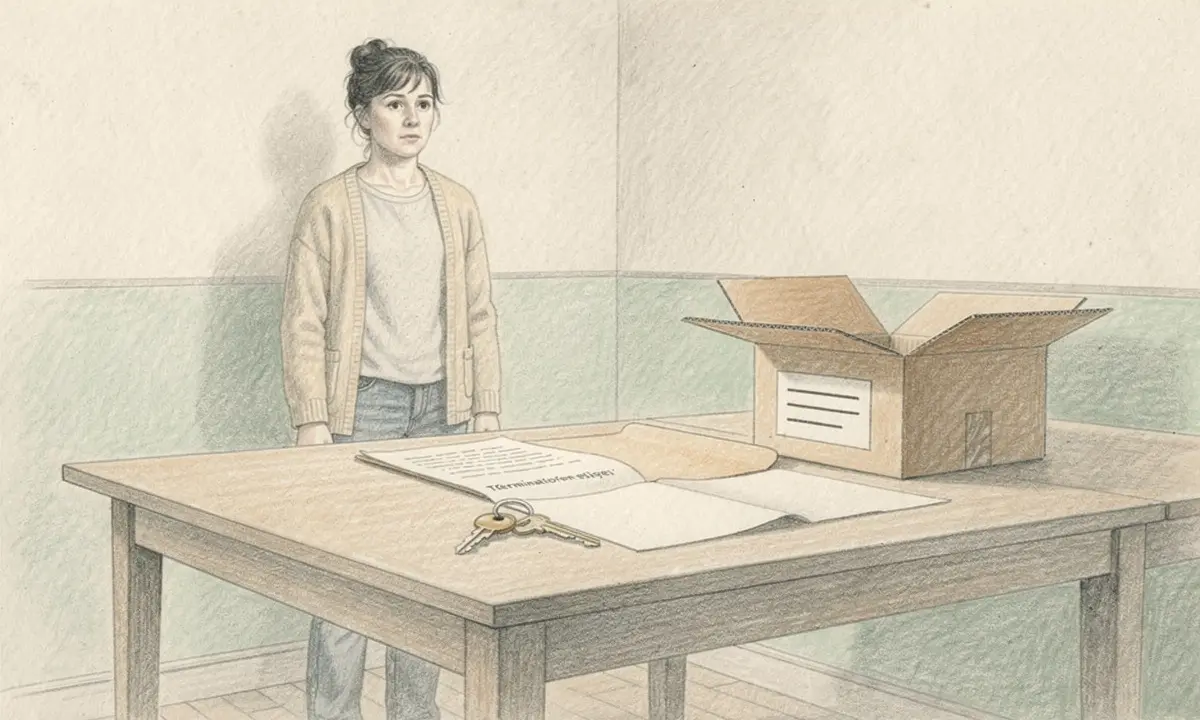
The guide belongs to At home. It does not replace documenting first when something is already amiss. It is the map before the landlord comes with a paper.
What you usually must do
- Pay the rent on time. Delay is the most common path to forfeiture. Recovery may be possible—see termination.
- Maintain the apartment so that safety, health, and order are not compromised. After 2024, the law speaks of lack of care and disturbances in the residence as two tracks.
- Not sublet without the landlord's consent (or the Rent Tribunal's permission). "The friend is just staying temporarily" is one of the most common arguments that falls apart.
- Allow the landlord to enter when the law requires it—for example, for necessary maintenance—after reasonable notice. Refusal of access can become its own ground.
What you usually get
- Stay with security of tenure, as long as you do not grossly violate the agreement.
- Request action when there is a deficiency: heat, water, pests, elevator.
- Receive the most important terms in writing. Save the agreement.
- Have guests. Guests are not automatically subletting—but a person who takes over the apartment while you are away might be.
What you do now
- Read the contract. Highlight rent, notice period, subletting, and pets.
- Save invoices and fault reports. They are your timeline.
- If the landlord is already talking about disturbance or debt: switch to when it creaks.
Frequently Asked Questions
Does the tenancy law apply if I sublet?
Partially. You have an agreement with the person you rent from, not always with the property owner. The right of possession is weaker. Unauthorized subletting can also void the primary lease. This is not a subletting guide – wave 2 – but do not confuse the parties.
Can the landlord raise the rent as they wish?
No. Utility value and negotiation govern in most residential buildings. An individual “new rent from next month” in an email is not the same as a valid increase. Ask the Swedish Union of Tenants about your specific building.
Can I refuse the caretaker access?
Not if the landlord has legal grounds and has notified in the correct manner. You can demand timing and presence. Document. See the warning guide if access is used as pressure.
Sources
Checked: September 14, 2026.
- Land Code (1970:994) Chapter 12. Rent
- SFS 2024:313 (amendments to Chapter 12 on conduct and disturbance)
- Swedish Union of Tenants
For those reading under stress
The guide is intended as support when you already have a lot on your mind. You do not need to read everything at once: start with the section that matches where you are today and return when the next step becomes relevant.
Cases with authorities rarely improve if you carry everything alone. Ask for help from a support person, lawyer, or relative if you can – especially before decisions with long-term effects.
Common mistakes that make the case more difficult
- Relying only on verbal promises without short written confirmation or follow-up email.
- Waiting to request documents until the conflict is already locked – then it becomes harder to show what was said.
- Writing so long and emotionally that the authority stops responding to the substantive issue.
- Missing deadlines for reconsideration or appeal because the decision was not read verbatim.
Mini-checklist before you leave the guide
- Do I have the date, diary/case number, and name of the person handling it (if you know)?
- Do I know what the next step is: respond, request, remind, appeal, or report?
- Have I saved emails and attachments in a place where I can find them in a week?