
This guide is informational. Always verify how the rules apply to your specific case.
You are here: At home → Rent increase and use value
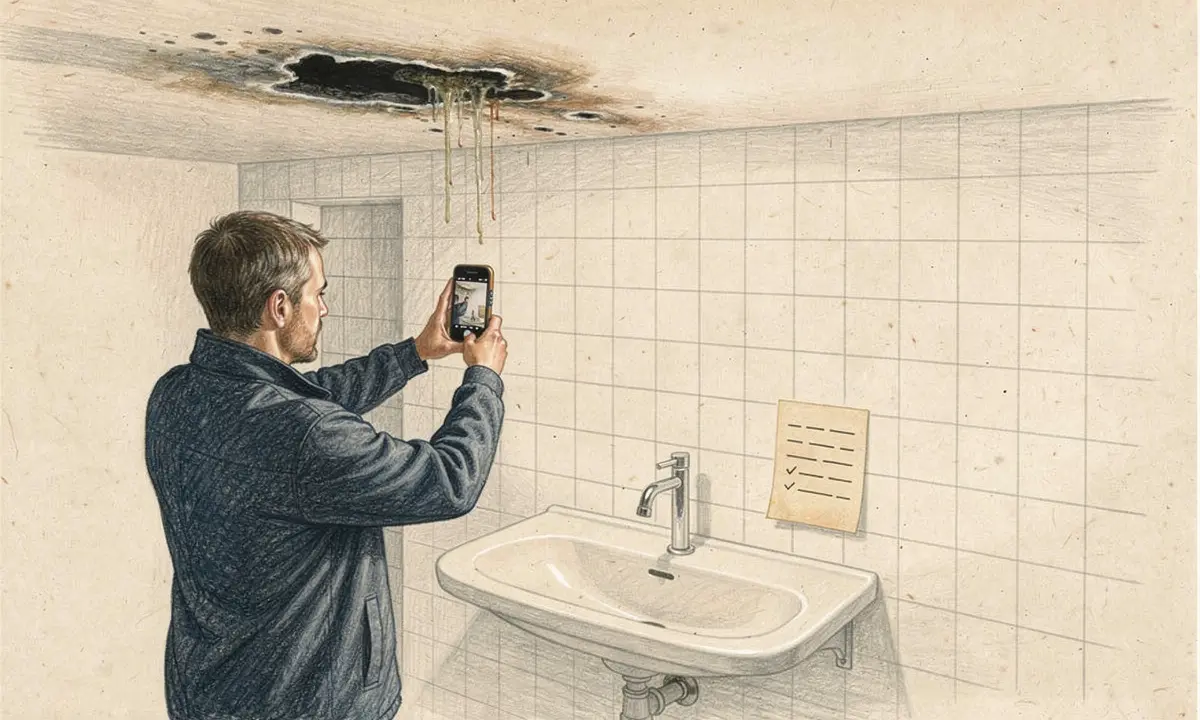
The guide belongs to At home. The house representative does not negotiate your individual percentage in the stairwell. See what the association actually does. The moisture in the bathroom is another track: deficiency and fault report.
When negotiation is not enough
- You lack a negotiation clause, or rent outside the agreement that applies to the building.
- The landlord sends a Section 54 letter on top of – or instead of – the negotiation. The clock in the letter then applies to you.
- The apartment is not equivalent to the comparison apartments: incorrect area, lack of kitchen, serious deficiency that is not “general rent development.”
- The presumption rent has already taken hold, and the tribunal only addresses it in exceptional circumstances or with the general rent development.
The rent tribunal can assess reasonableness. The comparison primarily focuses on negotiated rents in the area. “I can't afford it” is not use value. “The landlord has not addressed the moisture” can, however, be related to a reduction, not just the increase.
Frequently Asked Questions
Can I refuse the negotiated increase?
Usually not as an individual tenant, if you are bound by the negotiation clause. You can still ask the Rent Tribunal to assess whether your specific apartment is not equivalent, or if there are exceptional reasons against a presumptive rent. It is a threshold, not a feeling.
Can the landlord increase because the interest rate has gone up?
Not as a separate track against you. The use value compares apartments, not the landlord's calculation. However, the negotiation can still end up high when many agreements move simultaneously. That is why the paper and the clause matter.
What does the house representative do?
Common areas and documentation for the negotiation – documented fault reports, not your personal finances. You handle your increase with advice and the Rent Tribunal. See the association guide.
Sources
Checked: September 14, 2026.
- Land Code Chapter 12, Section 54 (condition change, increase letter)
- Land Code Chapter 12, Section 55 (reasonable rent, use value)
- Land Code Chapter 12, Section 21 (deposit with the county administrative board)
- Rent Negotiation Act (1978:304)
- Rent Tribunal
For those reading under stress
The guide is intended as support when you already have a lot on your mind. You don't need to read everything at once: start with the section that matches where you are today and return when the next step becomes relevant.
Cases with authorities rarely improve if you carry everything alone. Ask for help from a support person, lawyer, or relative if you can – especially before decisions with long-term effects.
Common mistakes that make the case more difficult
- Relying only on verbal promises without a short written confirmation or follow-up email.
- Waiting to request documents until the conflict is already locked – then it becomes harder to show what was said.
- Writing so long and emotionally that the authority stops responding to the substantive issue.
- Missing deadlines for reconsideration or appeal because the decision was not read verbatim.
Mini-checklist before you leave the guide
- Do I have the date, diary/case number, and name of the person handling it (if you know)?
- Do I know what the next step is: respond, request, remind, appeal, or report?
- Have I saved emails and attachments in a place where I can find them in a week?