This guide is informational. Always verify how the rules apply to your specific case.
You are here: At work → Rest, breaks, and pauses
The guide belongs to At work. It is for the schedule that never ends, the lunch that is "eaten at the register," and the rest room that has become an extra storage space. The Working Hours Act can be deviated from in collective agreements on several points – check which agreement applies: collective agreement and employment certificate.
Rest, break, and meal break
A "break" where you must sit with the alarm, answer the phone, or guard the hatch is often in practice a meal break or no break at all. Document what you actually had to do. The guidance from Arbetsmiljöverket (AV) is that it is reasonable to have a pause approximately every two hours in addition to the breaks—not as a precise time to clock against, but as a counterbalance to shifts that never let up.
Daily rest and weekly rest
The main rule is at least eleven consecutive hours free from work per 24-hour period (Section 13 ATL) and at least 36 consecutive hours during each seven-day period (Section 14). A temporary deviation from the daily rest requires special circumstances that could not have been foreseen, and in such cases, equivalent compensatory leave must be provided.
Collective agreements can make other deviations. That is why the paper on the agreement matters when the night shift "is just like this." A schedule that systematically undermines daily rest is a workplace safety issue, not a personal weakness. Connect safety representative.
On-call duty and standby have their own rules in the Working Hours Act (ATL). An on-call room is not the same as sleeping with the phone on the couch at the station without the room meeting the requirements.
Break room, rest area, and on-call room
The Working Hours Act states when you should be able to leave work. The regulations on the design of workplaces (AFS 2023:12) state where the body can recover.
- Break room (Section 62): you should be able to spend breaks and waiting times in a place with the possibility of short recovery. There should be enough seats with backrests. A pile in the break room without a chair is not a break room.
- Rest area (Section 63): there should be, or it should be quickly arranged, a suitable space for temporary, undisturbed and lying rest. General advice: a special rest room may be needed when more than 50 people are employed simultaneously in the same area. A toilet should be nearby.
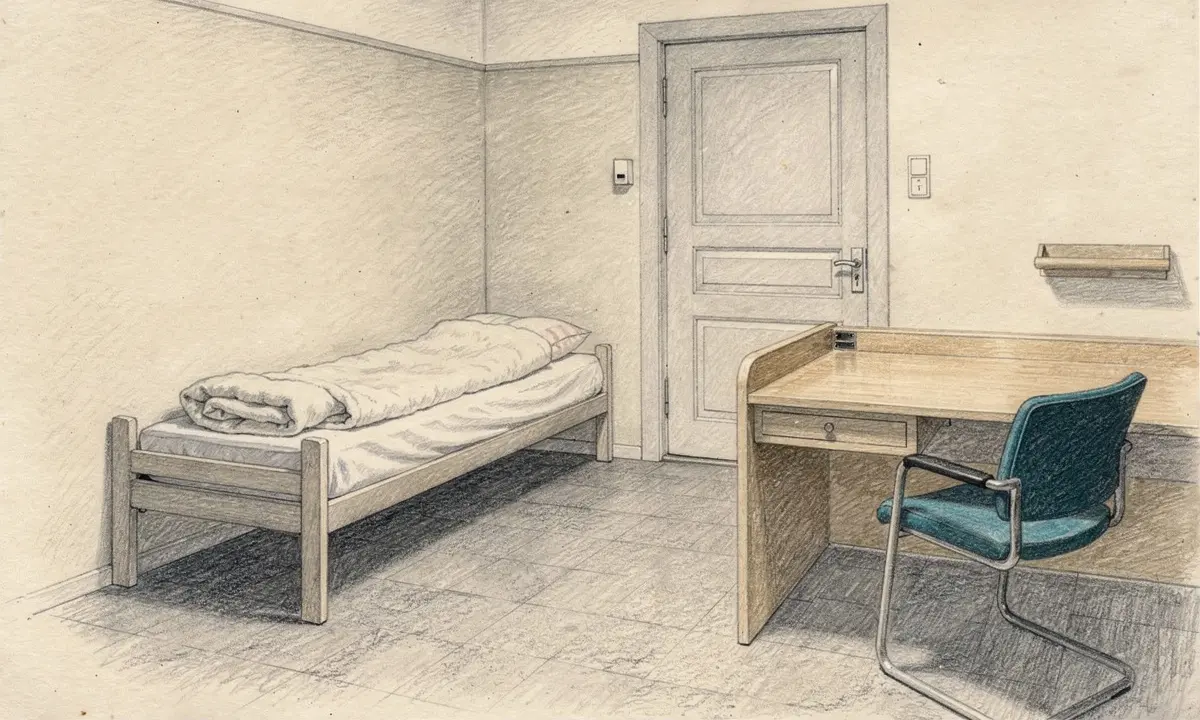
- On-call room (Sections 64–65): those on call in the sense of the ATL should have an undisturbed single room near the main workplace of the on-call duty, with the possibility to heat food and with a toilet and shower nearby.
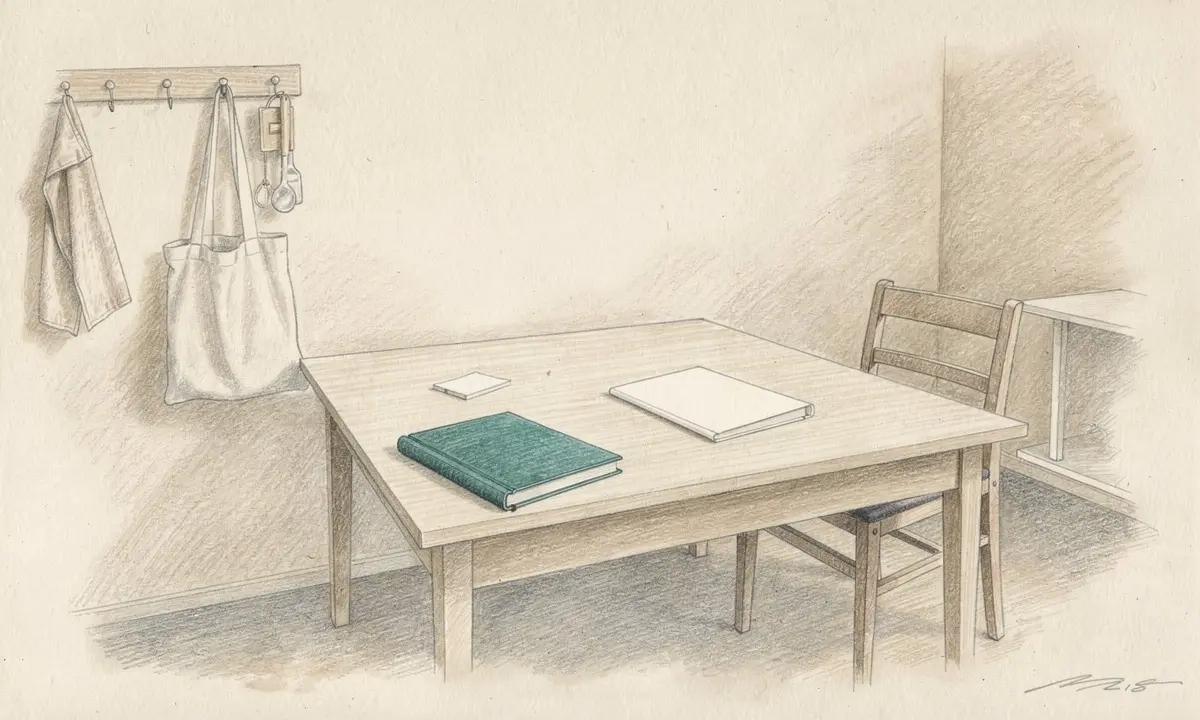
- Dining area (Sections 60–61): even those who eat brought food should be able to do so under satisfactory conditions, with a table and chairs with backrests, and near refrigeration, heating, and washing facilities.
A rest area used as an extra archive, changing room, or manager's meeting room is not accessible. A cot behind a screen in the corridor is rarely undisturbed lying rest. Pregnancy, night work, heat, illness, and demanding shifts are typical reasons to actually use the room – the right for it to exist is not dependent on you first being on sick leave.
What you do when the break is canceled or the room is locked
Template Mini-template: break and rest room
Subject: Break / daily rest / rest area [date]

On [date] I worked [hours] without a break / with a meal break against my will / without access to a rest area.

Schedule: ...
What I was asked to do during the "break": ...
Rest area/break room: locked / used as storage / missing.

I request:
1. that breaks are scheduled according to Section 15 of the ATL,
2. that a rest area according to AFS 2023:12 Section 63 is made available,
3. written notice to the safety representative.

Copy: safety representative / regional safety representative.
These are incidents when exhaustion, heat, customer violence, or forklifts are involved: report as an incident, not just as a "schedule request." See incidents and safety representative. If the schedule is used to push you out: document and harassment.
Frequently Asked Questions
How long must the break be?
The Working Hours Act (ATL) sets a maximum of five hours between breaks, not the number of minutes. Practice and most agreements require at least 30 minutes. A “ten minutes in the staff room with the alarm on” is rarely considered a break.
Is smoking outside considered a break?
Only if you are actually free from work. A cigarette with the phone in hand and the requirement to step in is considered a pause or work, not a break under Section 15.
Must there be a separate rest room?
There should be or quickly be able to arrange a suitable space for undisturbed lying rest. A specific rest room is mentioned particularly when more than 50 are employed simultaneously. On-call duty requires a single room.
Does the Working Hours Act apply if we have a collective agreement?
The agreement can deviate from several ATL rules. It does not remove the occupational health and safety regulations regarding pause and rest areas. Request the agreement by name before accepting that “the law does not apply here.”
Sources
Checked: 15 September 2026.
- Working Hours Act (1982:673)
- ATL Sections 15–17 breaks, meal breaks, and pauses
- Swedish Work Environment Authority: about the Working Hours Act
- AFS 2023:12 design of workplaces (pause, rest, on-call duty)
For those reading under stress
The guide is intended as support when you already have a lot on your mind. You do not need to read everything at once: start with the section that matches where you are today and return when the next step becomes relevant.
Matters with authorities rarely improve by carrying everything alone. Ask for help from a support person, lawyer, or relative if you can – especially before decisions with long-term effects.
Common mistakes that make the case more difficult
- Relying only on verbal promises without short written confirmation or follow-up email.
- Waiting to request documents until the conflict is already locked – then it becomes harder to show what was said.
- Writing so long and emotionally that the authority stops responding to the substantive issue.
- Missing deadlines for reconsideration or appeal because the decision was not read verbatim.
Mini-checklist before you leave the guide
- Do I have the date, diary/case number, and name of the person handling it (if you know)?
- Do I know what the next step is: respond, request, remind, appeal, or report?
- Have I saved emails and attachments in a place where I can find them in a week?