This guide is informational. Always verify how the rules apply to your specific case.
You are here: At work → When things are shaky
The guide is the starting point for the entry At work. It is the same kind of track as when you are exposed to the police: the one who writes first often sets the “answer key”. Without your own documentation, your story is more easily called a misunderstanding, cooperation difficulties, or lack of loyalty.
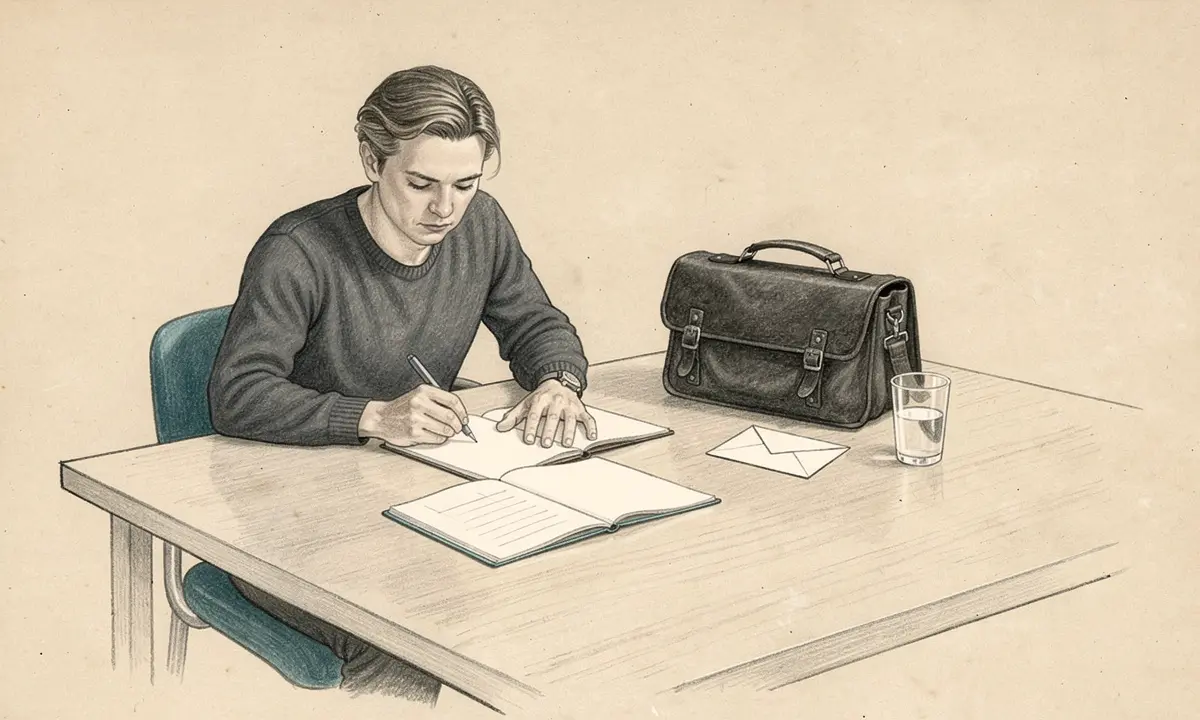
Write down the same day
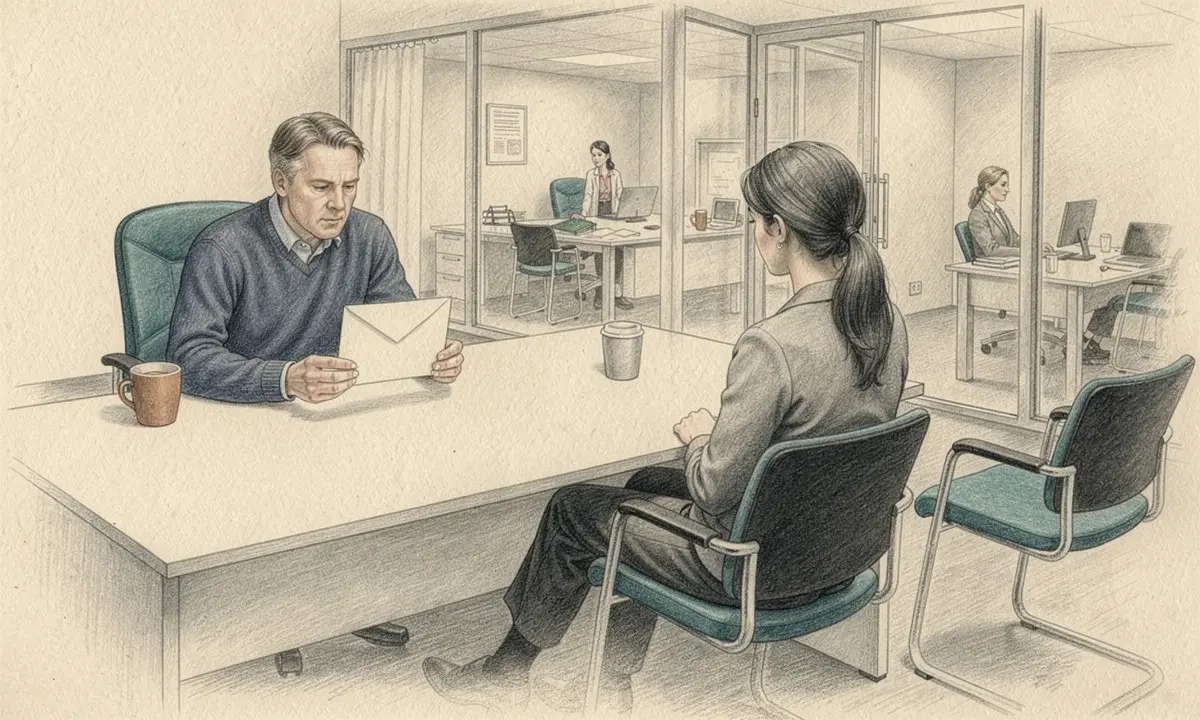
A “development conversation”, a coffee in the next room, or a Teams meeting without an invitation can be the start of a termination. You do not need to know which track it is. You need a timeline.
Do not go in alone
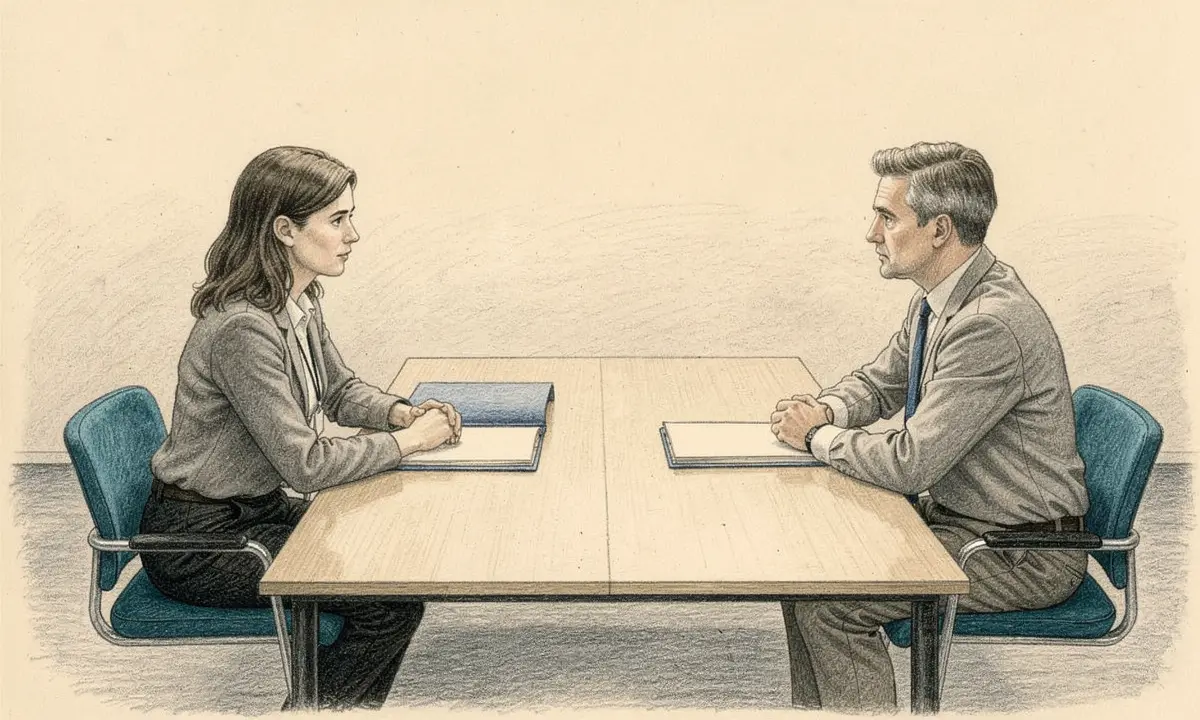
LAS warning, reassignment, and “we need to talk about your future” are rarely three separate events. They are often the same matter in different clothes. Bring a union representative, safety representative, or a colleague. If the employer refuses a witness: write it in the note and confirm in an email that you requested it.
Secure the documents you already have
- Employment contract and later changes in salary, location, and working hours.
- Warning, reprimand, “meeting notes” – save the original, do not sign that you “approve” the course of events if you do not.
- Schedule, time reports, emails, and chat – especially before and after the conflict.
- Certificates, rehab plan, adjustments if illness or work environment is involved.
At many workplaces, there are cameras, logs, and emails controlled by the employer. Your copy is what you can rely on later. If the employer is filming, also see camera surveillance. Recording meetings with authorities is a different rule than meeting with the boss – read recording of authority meeting and do not confuse the tracks.
Deadlines are short when it gets serious
Which guide next?
- The boss talks politics, opinions, or loyalty → politics in the workplace and duty of loyalty.
- You have received a paper called a warning → warning and reprimand.
- New place, new tasks, worse conditions → relocation.
- Termination on the table → termination: redundancy or personal reasons.
- They want you to leave today → dismissal and buyout.
- Bullying, exclusion, harassment → abusive treatment.
- You report misconduct → whistleblowing at work.
When the conflict becomes a civil dispute in the district court or is taken via the union to the Labor Court, see legal process and application for summons. If illness, rehabilitation, and the Swedish Social Insurance Agency (Försäkringskassan) are part of the same chain: if the work does not function.
Frequently Asked Questions
Is a "conversation about the future" a termination?
Not in itself. However, it could be intelligence, pressure towards a buyout, or the beginning of personal reasons. Treat it as a case: document it, request paperwork, seek support.
Am I allowed to record my boss?
The rules differ for recording a government meeting. A covert recording can, in certain situations, be used as evidence but can also damage trust and, in the worst case, become an employment law issue. Consult a union representative or lawyer before recording. The safe approach is follow-up emails and a witness.
Do I have to be a member of a union to have rights?
No. The Employment Protection Act (LAS), the Discrimination Act, and the Work Environment Act apply even without membership. The union provides bargaining power, insurance, and often the path to the Labor Court. Without a union, the dispute more often becomes a regular civil case in the district court.
Sources
Reviewed: 14 September 2026.
- The Employment Protection Act (1982:80)
- The Work Environment Act (1977:1160)
- Swedish Work Environment Authority
- The Equality Ombudsman
For those of you reading under stress
The guide is intended as support when you already have a lot on your mind. You do not need to read everything at once: start with the section that matches your current situation and return when the next step becomes relevant.
Matters with authorities rarely improve when you handle everything alone. Seek help from a support person, lawyer, or relative if you can—especially before decisions that have long-term effects.
Common mistakes that complicate the case
- Rely only on verbal promises without a brief written confirmation or follow-up email.
- Wait to request documents until the conflict is already locked—then it becomes more challenging to demonstrate what has been said.
- Write in such a lengthy and emotionally driven manner that the authority ceases to respond to the substantive issue.
- Missing deadlines for reconsideration or appeal because the decision was not read verbatim.
Mini-checklist before leaving the guide
- Do I have the date, diary/case number, and the name of the person handling the case (if you know)?
- Do I know what the next step is: respond, request, remind, appeal, or report?
- Have I saved emails and attachments in a place where I can find them in a week?