This guide is informational. Always verify how the rules apply to your specific case.
You are here: At home → Eviction and the Swedish Enforcement Authority
The guide belongs to At home and the series when it creaks. If the termination has not been tested: rent tribunal first. Document: when it creaks.
What happens during enforcement
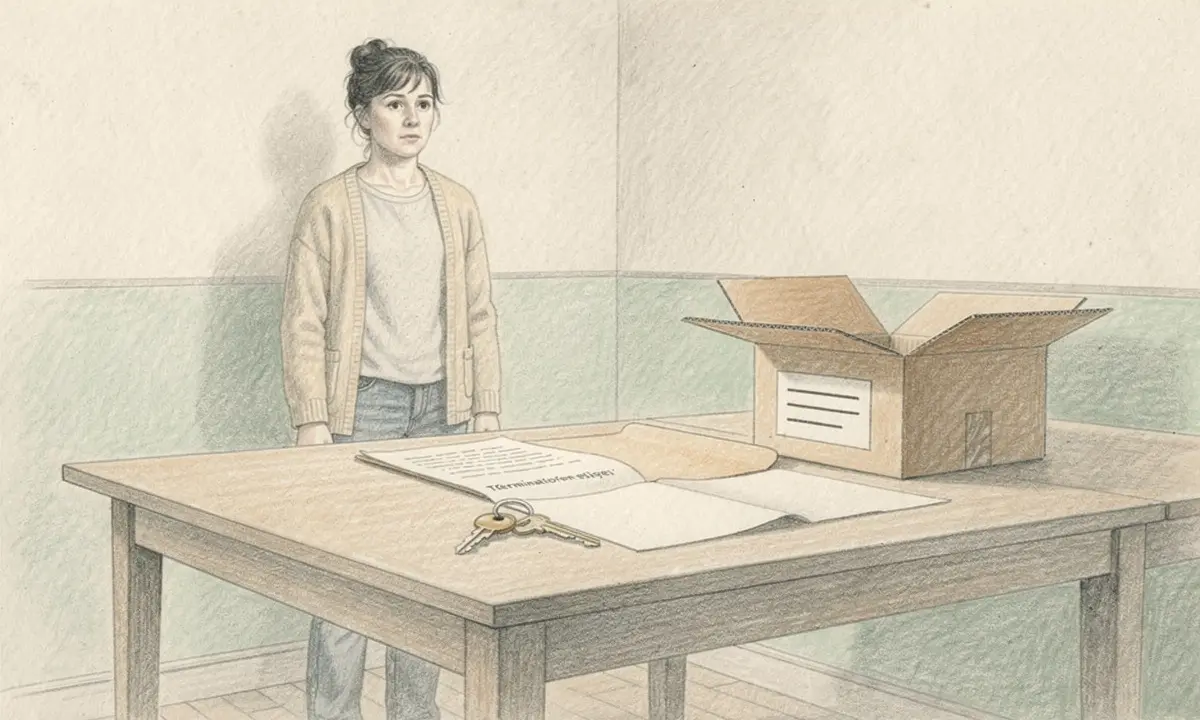
When the title exists and the landlord has requested enforcement, you will be notified of the time. The Swedish Enforcement Authority (Kronofogden) can carry out the eviction even if you are not at home. Property can be packed and stored. Costs may follow. Therefore, the envelope should not be left unopened.
The Swedish Enforcement Authority's pages are written for those seeking eviction. Read them anyway: they describe how the enforcement process works. Carrying out an eviction.
Frequently Asked Questions
Can the landlord "evict" me without the Swedish Enforcement Authority?
No. Changing locks or removing your belongings without a title is a separate issue, not a legal eviction. Document and seek assistance. This does not replace your obligation to respond if the Swedish Enforcement Authority is already involved.
Does it help to pay the rent now?
In the case of forfeiture due to rent arrears, recovery may still be possible – but not after the matter has already been finally decided. Check which track the paper is on. See Chapter 12, Section 44 of the Termination.
What happens to the children?
The Social Welfare Board must be notified. Contact social services yourself the same day. It is about having a roof over your head, not an acceptance of the landlord's version.
Sources
Checked: September 14, 2026.
- Swedish Enforcement Authority: carrying out an eviction
- Rent Tribunal
- Land Code Chapter 12, Section 44 (recovery in case of rent arrears)
- Tenants' Association: support and advice
For those reading under stress
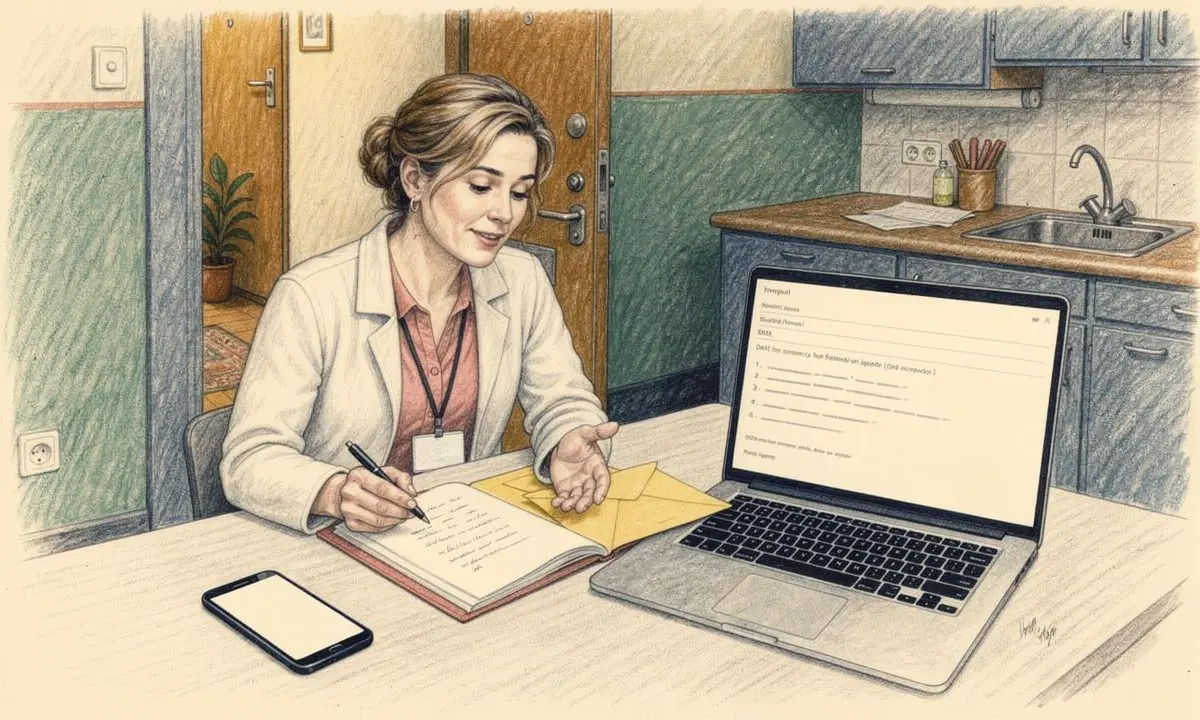
The guide is intended as support when you already have a lot on your mind. You do not need to read everything at once: start with the section that matches where you are today and return when the next step becomes relevant.
Matters with authorities rarely improve by handling everything alone. Ask for help from a support person, lawyer, or relative if you can – especially before decisions with long-term effects.
Common mistakes that make the case more difficult
- Relying only on verbal promises without short written confirmation or follow-up emails.
- Waiting to request documents until the conflict is already locked – then it becomes harder to show what was said.
- Writing so long and emotionally that the authority stops responding to the substantive issue.
- Missing deadlines for reconsideration or appeal because the decision was not read verbatim.
Mini-checklist before you leave the guide
- Do I have the date, diary/case number, and name of the person handling the case (if you know)?
- Do I know what the next step is: respond, request, remind, appeal, or report?
- Have I saved emails and attachments in a place where I can find them in a week?