This guide is informational. Always verify how the rules apply to your specific case.
You are here: At home → Whistleblowing in the Tenants’ Association
An organization that negotiates rents for millions of people, handles large sums of money, and has thousands of elected representatives can have misconduct like any other large organization. The whistleblower law applies to it just as fully. But precisely because the association is both an employer, a popular movement, and the tenants' representative, the envelopes can easily get mixed up. This guide sorts them so that the alarm lands where it can be useful – and so that your rent dispute does not get stuck in a portal where no one can help you with it.
Four envelopes that must not be mixed
What Whistlelink is for
Whistlelink is an external provider of whistleblower services that the association uses as its internal reporting channel according to Chapter 5 of the Whistleblower Act. This means that reports are received by independent and autonomous individuals, that you can report in writing and orally, that you should receive confirmation within seven days and feedback within three months on what has been done, and that your identity is protected by confidentiality (Chapter 5, Sections 5–7). The channel can generally receive anonymous reports, but feedback may then be limited.
What belongs there are irregularities in the association's operations of public interest. Examples that fit:
- Elected officials or employees using the association's funds, premises, or tenant influence money for personal gain.
- Conflict of interest – someone negotiates or decides on matters where they or their relatives have personal interests, for example, against a landlord they have a relationship with.
- Manipulated elections, minutes, or membership registers.
- Discrimination, sexual harassment, or abusive treatment of employees or elected officials that the organization does not address.
- Reprisals against those who have criticized internally – ostracism, removed assignments, terminated employment.
- Serious deficiencies in handling members' personal data.
Who is protected – and how
The association's own paths
Much of what is perceived as irregularities are actually matters for association democracy – and as a member, you have tools that an employee in a company lacks:
- Motion and annual meeting. The local association's and region's annual meetings are decision-making. You can submit motions, ask questions to the board, and vote.
- The auditors. Each level has elected auditors who review accounts and management. If you suspect financial irregularities, the auditors are a formal recipient alongside Whistlelink.
- Regional board and federation board. Complaints about how a local association or a house representative acts are escalated within the organization. Request a written response.
- The statutes. They regulate exclusion, terms of office, conflicts of interest, and how assignments are revoked. Read them – they are available on the association's website – before claiming that something was done incorrectly.
- Member service for complaints about advice, processing times, and treatment.
External authorities
The whistleblower law gives you the right to report externally to the authority responsible for the area, with the same protection, without first going internally (Chapter 4, Section 6). For a non-profit association, it is typically:
- Arbetsmiljöverket – work environment, abusive treatment, and supervision to ensure the association has a functioning internal channel.
- Diskrimineringsombudsmannen – discrimination against employees, elected representatives, or members; associations are covered by the discrimination law's prohibitions in membership and employment matters.
- Integritetsskyddsmyndigheten – handling of members' personal data.
- Skatteverket and Ekobrottsmyndigheten – financial irregularities.
- The police – crimes: embezzlement, breach of trust, threats, harassment.
Disclosure – media – is protected only after external reporting without action, or in cases of imminent danger (Chapter 4, Section 9). The association's employees do not have constitutionally protected whistleblower protection against the employer, as the association is not a public entity.
How to Write the Report
Frequently Asked Questions
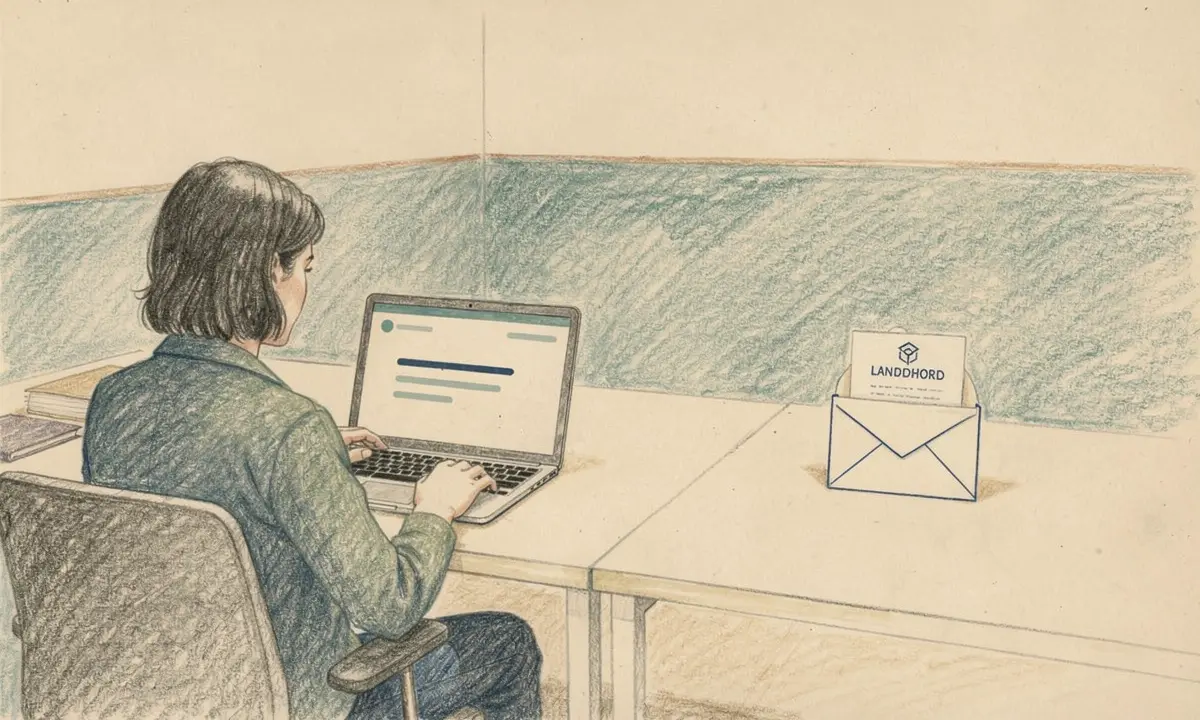
Can I report my landlord via Whistlelink?
No. The channel is internal for the association's own operations. The landlord is not the Tenants’ Association. Landlord disputes go to advice, the rent tribunal, the municipal environmental department, or the police depending on what has happened.
I am a house representative and was “removed” after criticizing the local board. Is it a reprisal?
If the criticism was reporting a misconduct of public interest, it may be, and you are covered as an elected representative. Document the timeline, request a written justification for the decision, take it to the regional board, and consider reporting via Whistlelink if it has not already been done. If the criticism was an opinion on priorities, it is association democracy, not whistleblowing – then the annual meeting is the way.
Can I remain anonymous?
Internal channels should be able to receive reports without a name, but then the association cannot provide feedback or ask questions. If you report with a name, the identity is covered by confidentiality. In a small local association where only you could have known, anonymity is practically difficult – expect that.
The association did not respond within three months. What do I do?
If feedback is not received within the deadline, you may report externally to the competent authority with full protection, and subsequently make it public if the authority also fails to act within three months (Chapter 4, Sections 7 and 9). The fact that the association's channel is not functioning can itself be reported to Arbetsmiljöverket, which supervises the channels.
Does this also apply to my housing cooperative?
No. A housing cooperative generally has no employees and no obligation to have a channel, and it is not the Hyresgästföreningen. Misconduct there is handled via meetings, auditors, Bolagsverket, DO, or the police. Read when it creaks in the condominium.
Sources
- Hyresgästföreningen's whistleblower channel (Whistlelink)
- Act (2021:890) on the protection of persons reporting misconduct – Chapter 1, Section 8, Chapters 3–5.
- Hyresgästföreningen – statutes and organization
- Discrimination Act (2008:567)
- Arbetsmiljöverket: whistleblower law and external channels
The guide is general information about applicable rules, not advice on your case. If you rent from a private individual who owns the residence, the private rental law applies instead of Chapter 12 of the Land Code from July 1, 2026, on several points. Legal status checked on September 25, 2026.
For those reading under stress
The guide is intended as support when you already have a lot on your mind. You do not need to read everything at once: start with the section that matches where you are today and return when the next step becomes relevant.
Cases with authorities rarely improve by carrying everything alone. Ask for help from a support person, lawyer, or relative if you can – especially before decisions with long-term effects.
Common mistakes that make the case more difficult
- Relying only on verbal promises without brief written confirmation or follow-up email.
- Waiting to request documents until the conflict is already locked – then it becomes harder to show what was said.
- Writing so long and emotionally that the authority stops responding to the substantive issue.
- Missing deadlines for reconsideration or appeal because the decision was not read verbatim.
Mini-checklist before you leave the guide
- Do I have the date, diary/case number, and name of the person handling it (if you know)?
- Do I know what the next step is: respond, request, remind, appeal, or report?
- Have I saved emails and attachments in a place where I can find them in a week?