
This guide is informational. Always verify how the rules apply to your specific case.
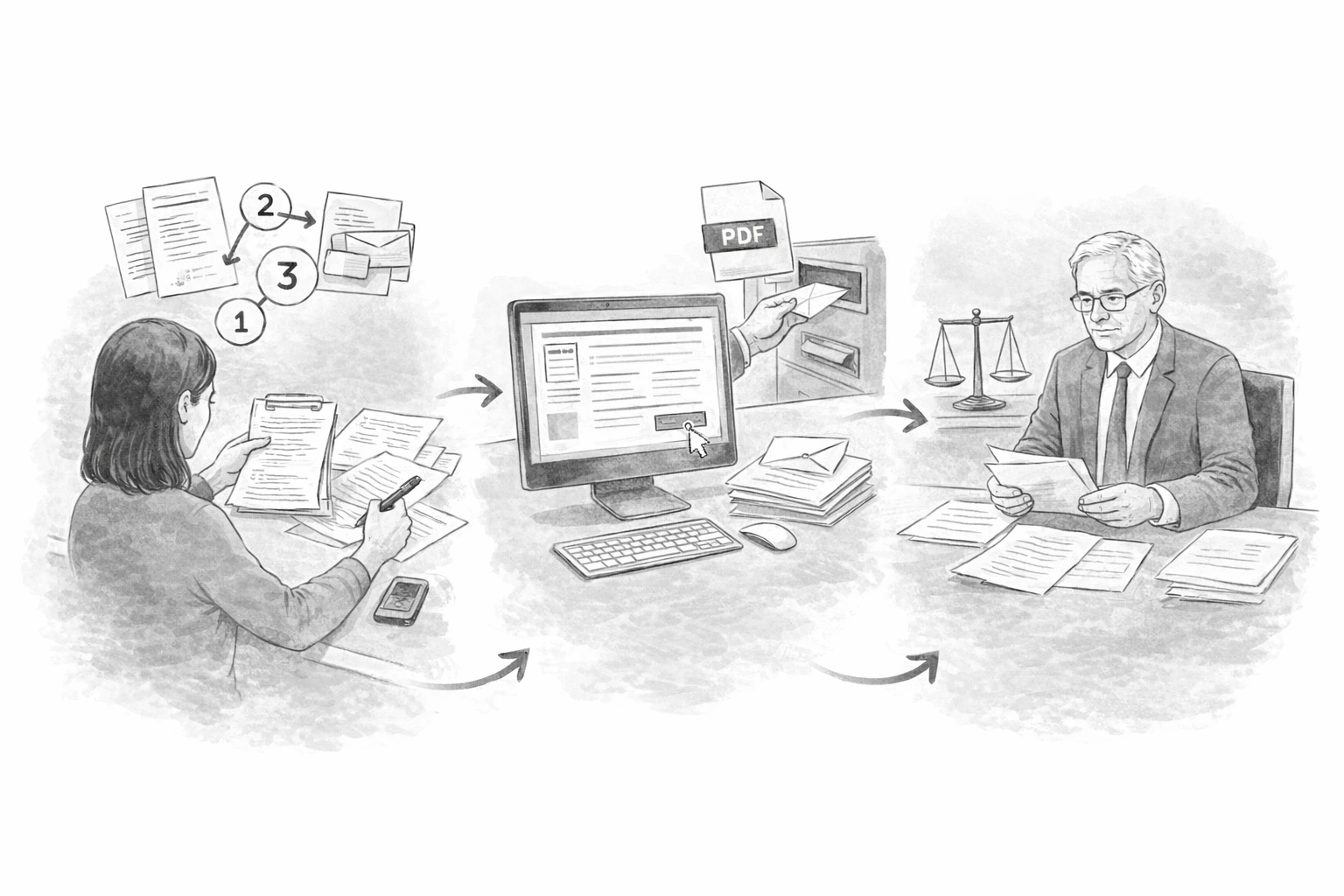
A complaint rarely becomes stronger through additional exclamation marks. What carries weight instead is a factual record that can be followed point by point.
What the complaint should contain
- Who, what, where, and when.
- The words or actions to which you object.
- The documents or traces that support your account.
How to keep facts and interpretation separate
- First write what you saw or heard.
- Then write how you perceived the conduct.
- Indicate when something is uncertain.
After you have submitted it
- Save the confirmation or case registration number.
- Follow up if you do not receive an acknowledgement of receipt.
- Do not conflate separate procedures if several tracks are running at the same time.
If you are reading under stress
This guide is intended to support you when you already have a lot on your mind. You do not need to read everything at once: start with the section that matches your situation today and return when the next step becomes relevant.
Matters involving public authorities rarely improve when you carry everything alone. Ask a support person, lawyer, or relative for help if you can, especially before decisions with long-term consequences.
Common mistakes that make the matter more difficult
- Relying solely on verbal promises without a brief written confirmation or follow-up email.
- Waiting to request documents until the conflict is already deadlocked, making it harder to show what was said.
- Writing at such length and with so much emotion that the authority stops responding to the substantive issue.
- Missing deadlines for reconsideration or appeal because the decision was not read word for word.
Mini-checklist before you leave the guide
- Do I have the date, registration/case number, and the name of the case officer (if known)?
- Do I know the next step: respond, request documents, send a reminder, appeal, or file a complaint?
- Have I saved emails and attachments somewhere I can find them in a week?